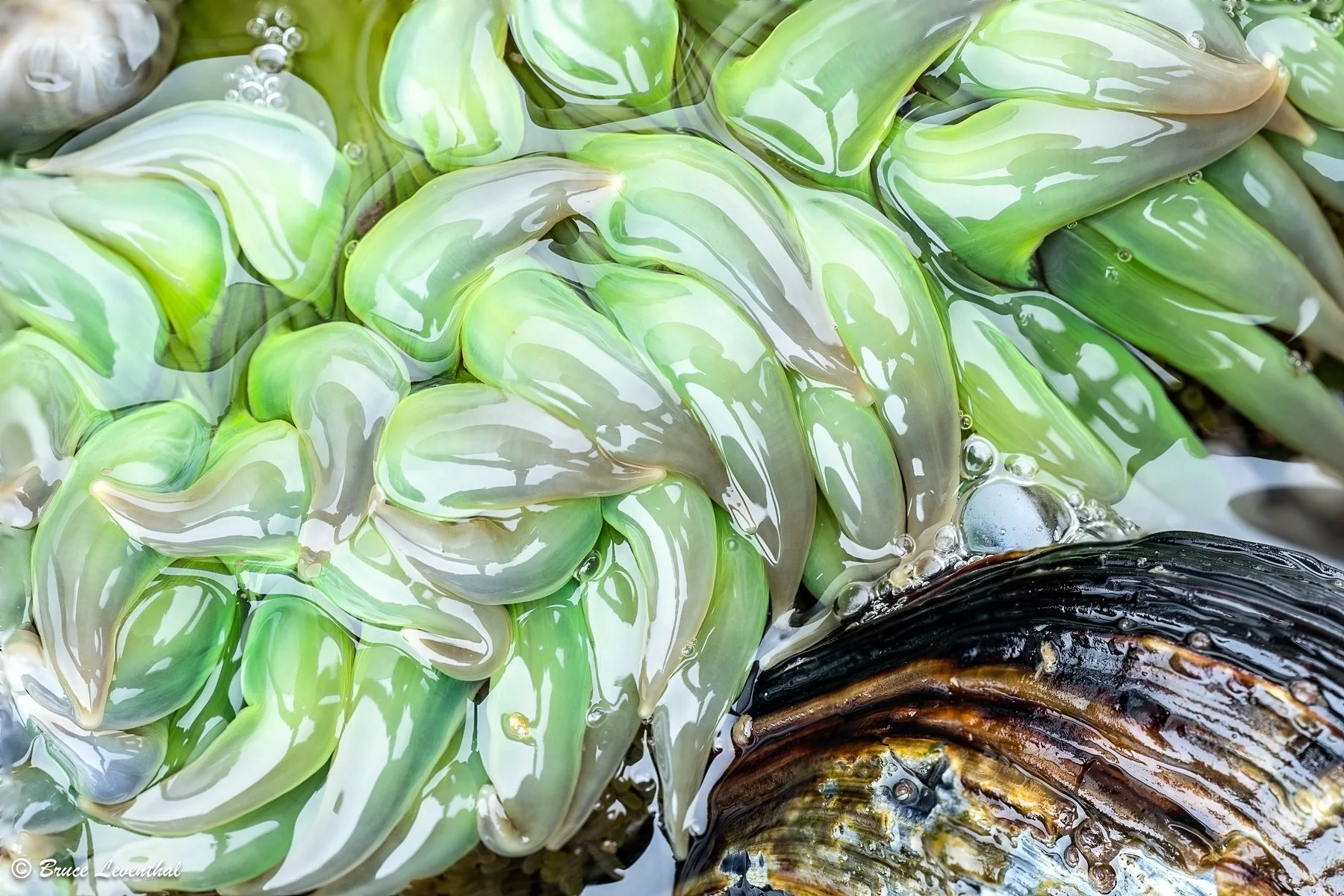
While the specific dates are up for debate, there is very strong evidence that life was present here on Earth between 3.7 and 4.2 billion years ago. Given that the age of the Earth is about 4.5 billion years, it is astonishing to realize that life could evolve from abiogenic processes in such a short period of time. Abiogenesis is a topic for another day, but I think it is important to establish a point of origin before diving into the explosion and expansion of life on this planet.
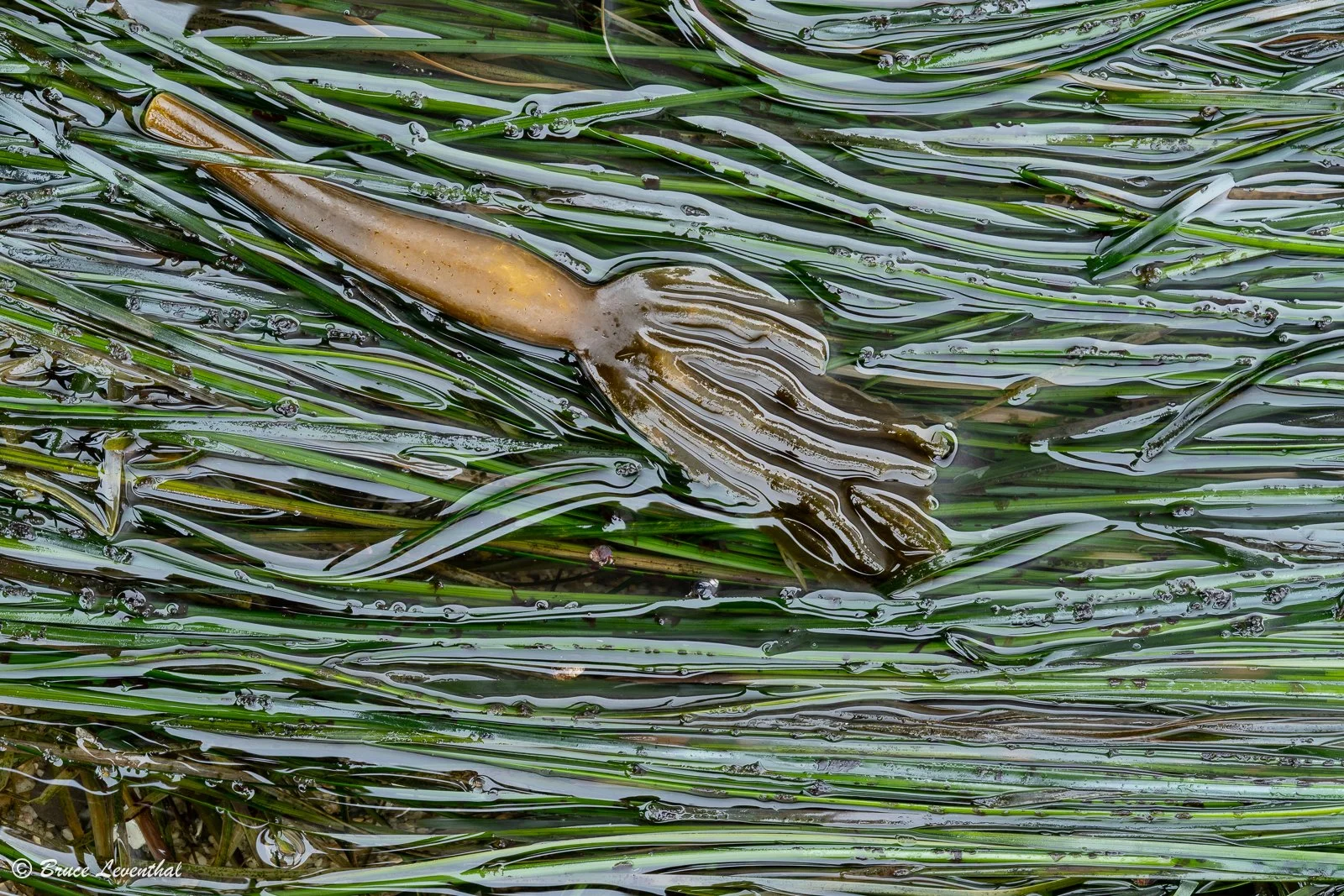
While there have been countless innovations by living organisms throughout the ages, the evolution of one specific biological process explains the diversification of form and function across the living world. Some time between 1.2 and 2 billion years ago, single-celled organisms with distinct nuclei filled with genetic code began trading genetic cards. With the exchange of genes through some kind of primitive sex, diversification of body form and biochemical function began to accelerate. In the absence of sex, living organisms were destined to clone themselves and rely on rare and infrequent mutations in order to produce a new genetic makeup. With sex came the shuffling and mixing of genes, and this mixing is ultimately responsible for the diversity of life we see on the planet today.
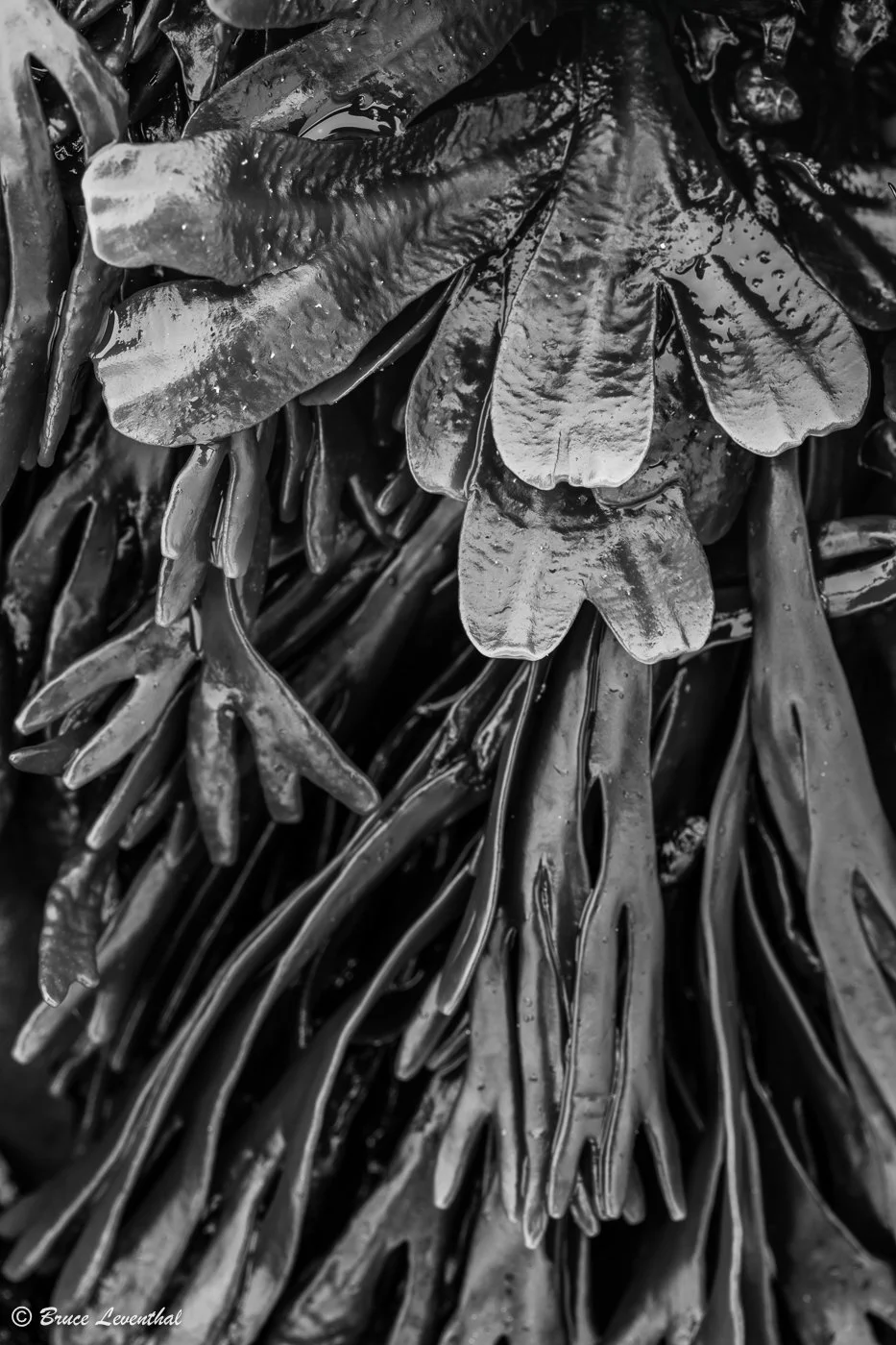
Yet, in spite of the evolution of sex, Earth's life was nothing more than single-celled organisms floating about throughout the various oceans of the world. Some of these simple life forms could harness the sun's energy to produce sugar by photosynthesis, some were single-celled eaters that found a way to consume others, and a third group could be referred to as the recyclers — single-celled organisms that absorbed nutrients from the Earth and dead organisms. But this world was a planet filled with unicellular life in which form and function were packed into a single membrane-bound blob.
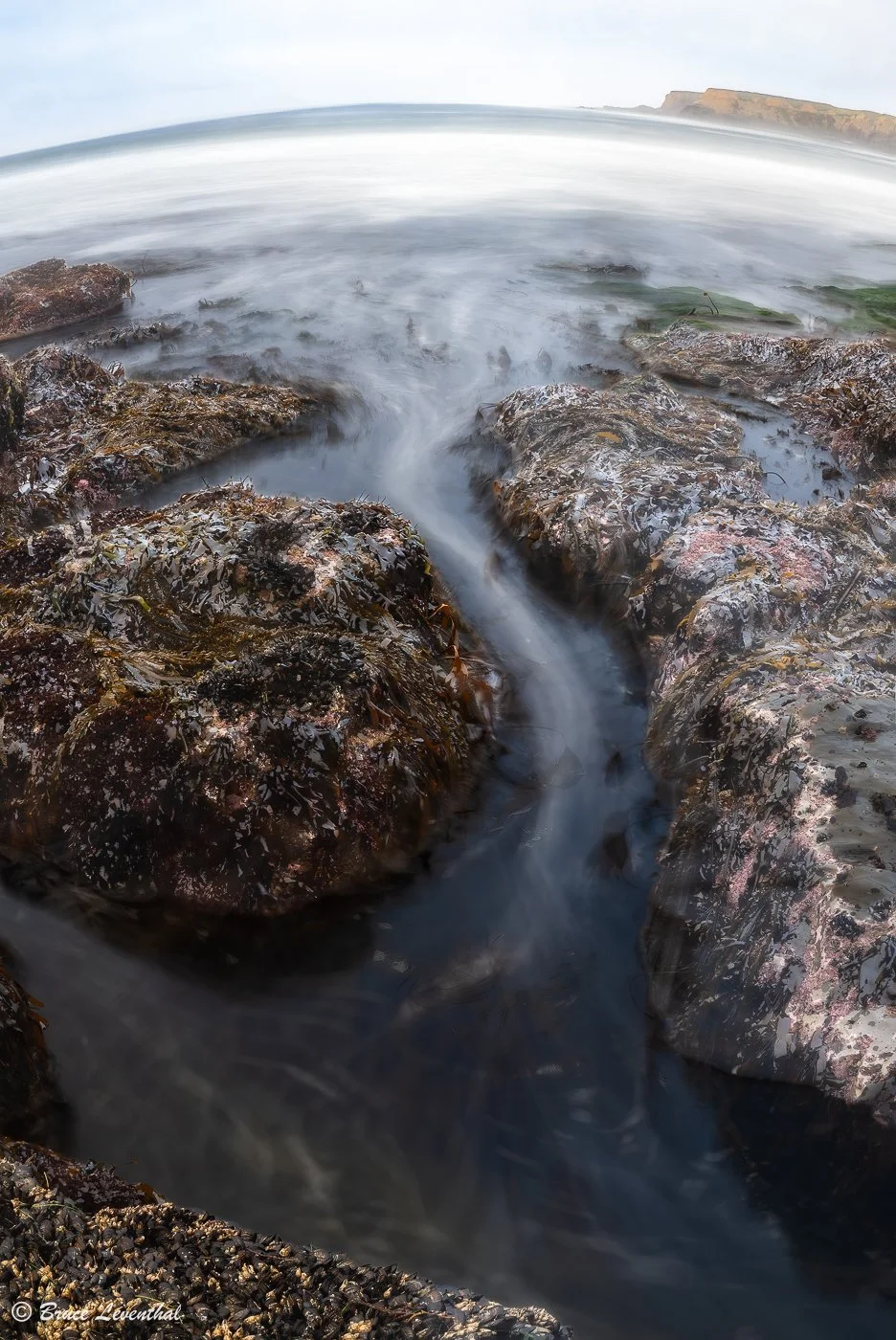
Depending on what one considers multicellularity, it was somewhere between 2 billion and 800 million years ago that single-celled organisms began to cooperate with one another. At first, the single-celled beasts began to aggregate into colonies where cells remained individuals as the collective grew larger and shared resources. Later, these larger multicellular organisms became codependent and thus a single entity. From this interdependence, diversity of form and function began to evolve. It is that latter evolutionary step that led to the Cambrian Explosion.
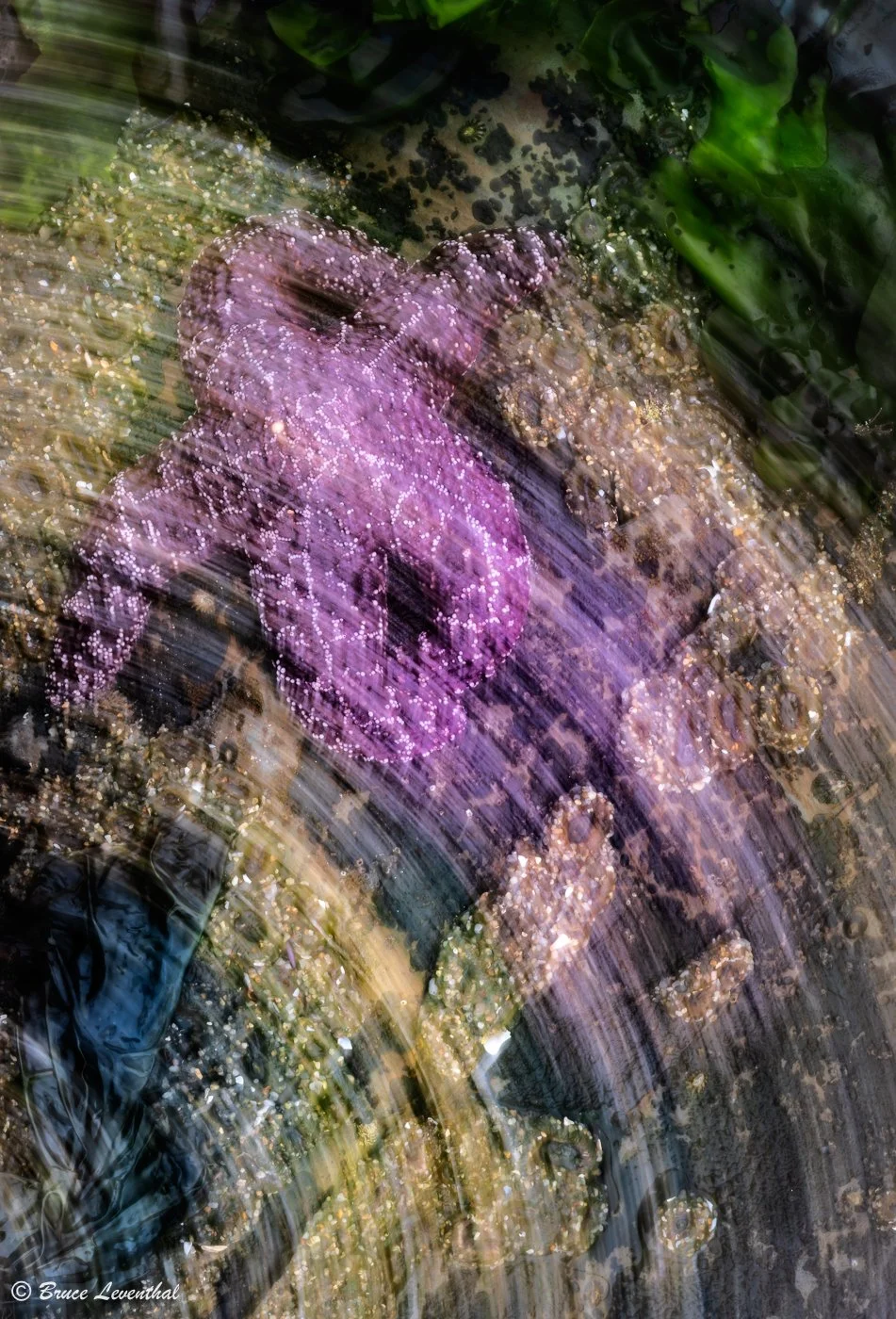
The evolution of sex, the development of multiple energetic pathways, and the transition from a purely single-cellular world to a place where multicellular life thrived, led to an unprecedented diversification period known as the Cambrian Explosion. Beginning around 540 million years ago and lasting for 13 to 25 million years, this so-called explosion was a period of evolutionary experimentation and diversification. All of life's known extant and many extinct animal phyla evolved, and it is this moment in time that ultimately set the stage for the biodiversity we see today.
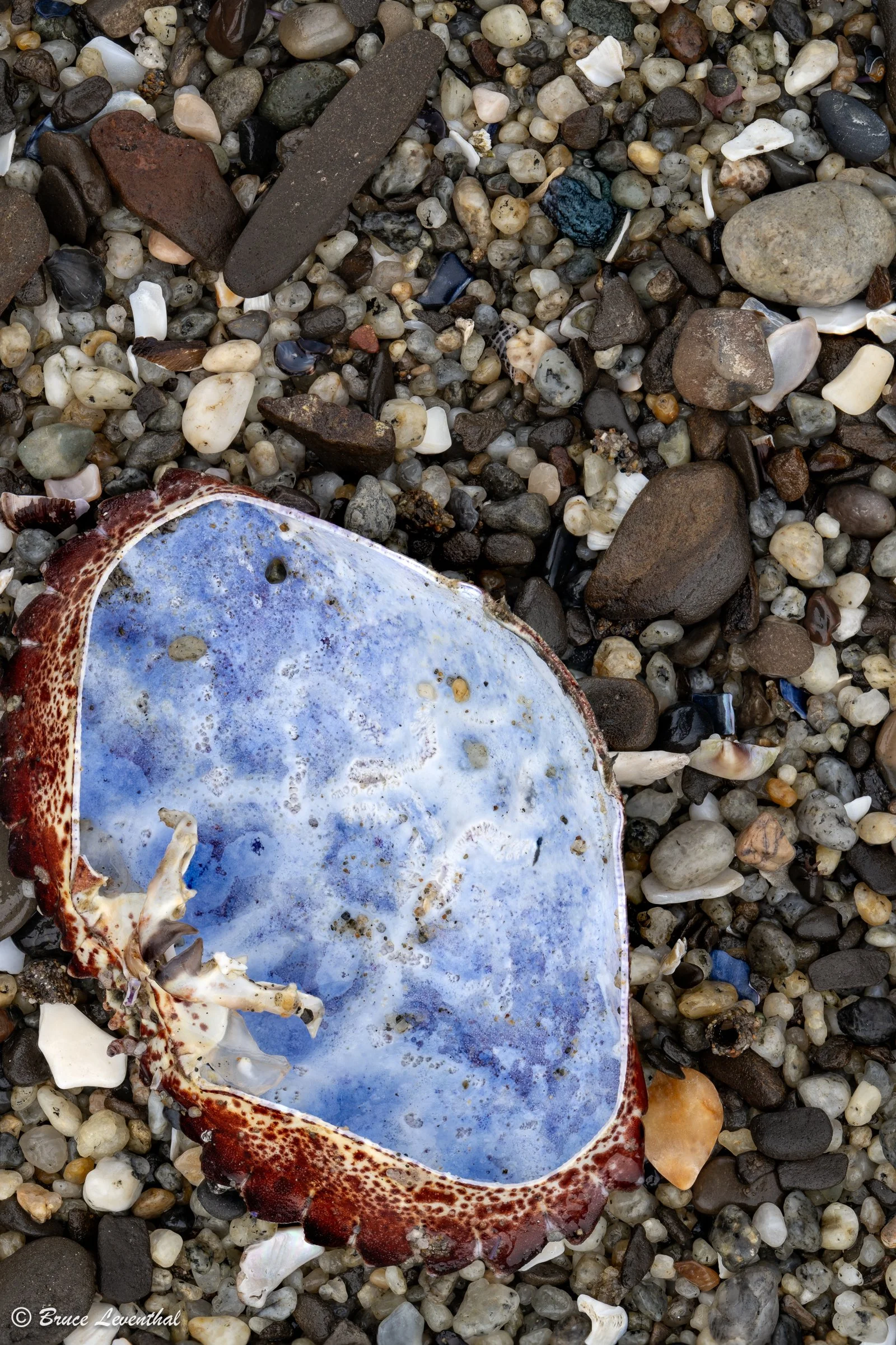
The story of the Cambrian Explosion can feel abstract when reduced to numbers and geological time, but nature has a way of making the ancient tangible. If you know where to look, the legacy of that extraordinary diversification is visible right here on the California coast, revealed twice a day by the pull of the moon.
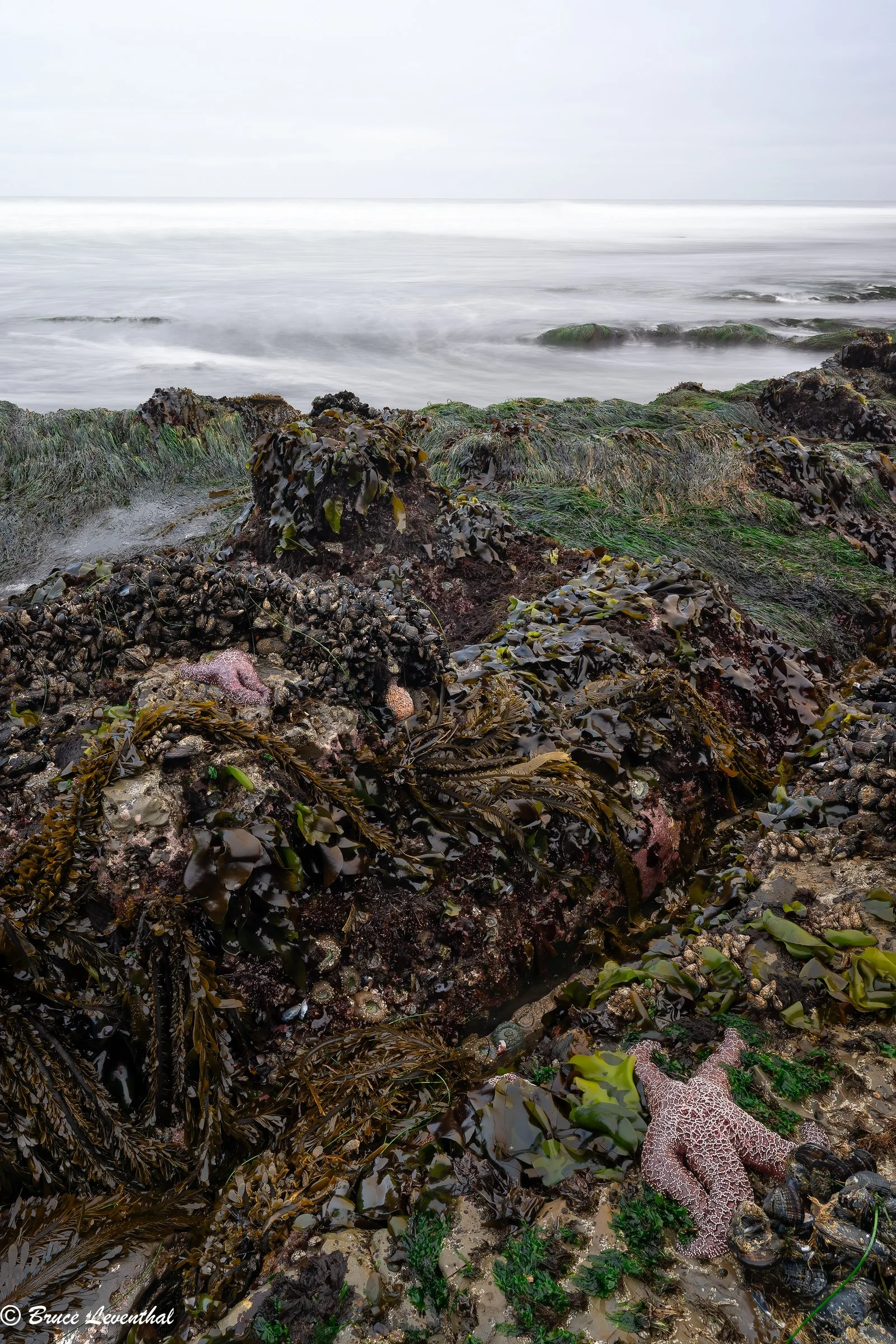
If one visits the coast during an extraordinary low tide, it is possible to get a glimpse at the variety of life that emerged during the Cambrian Explosion. As the tide recedes, there are pools of water that reveal organisms that make these rocky depressions their homes, as well as those that have become temporarily stranded. Living in these pools are single-celled organisms, algal colonies, sponges, corals, anemones, mussels, sea slugs, octopuses, snails, sea stars, sea urchins, crabs, and tiny fish. The life in a tide pool is a picture of biodiversity and a metaphor for the explosion that led to the "endless forms most beautiful and wonderful" that Darwin so memorably described.
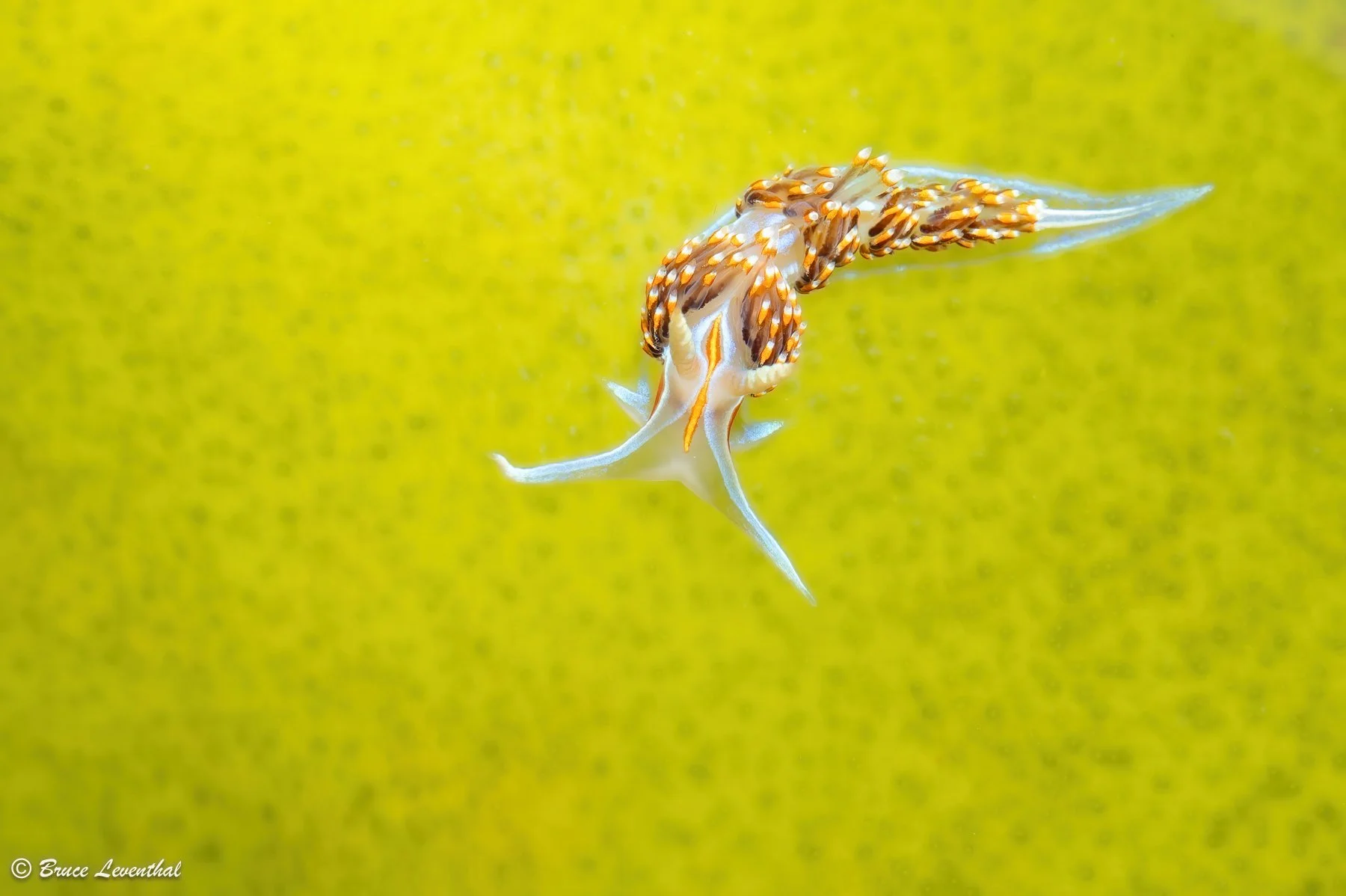
As a closing note, I’d like to thank Frans Lanting and Chris Eckstrom for inspiring me to produce these images. This body of work was made during a Frans Lanting workshop, and the days that followed the intensive experience at the tide pools. The workshop was instrumental in helping me find organisms, the location, and inspiration to push myself creatively. For those reading this blog, I suggest you visit this link to the Frans Lanting’s Workshop Page.
©2000-2026 BruceLeventhal.com All rights reserved. No image on this site may be used without permission.