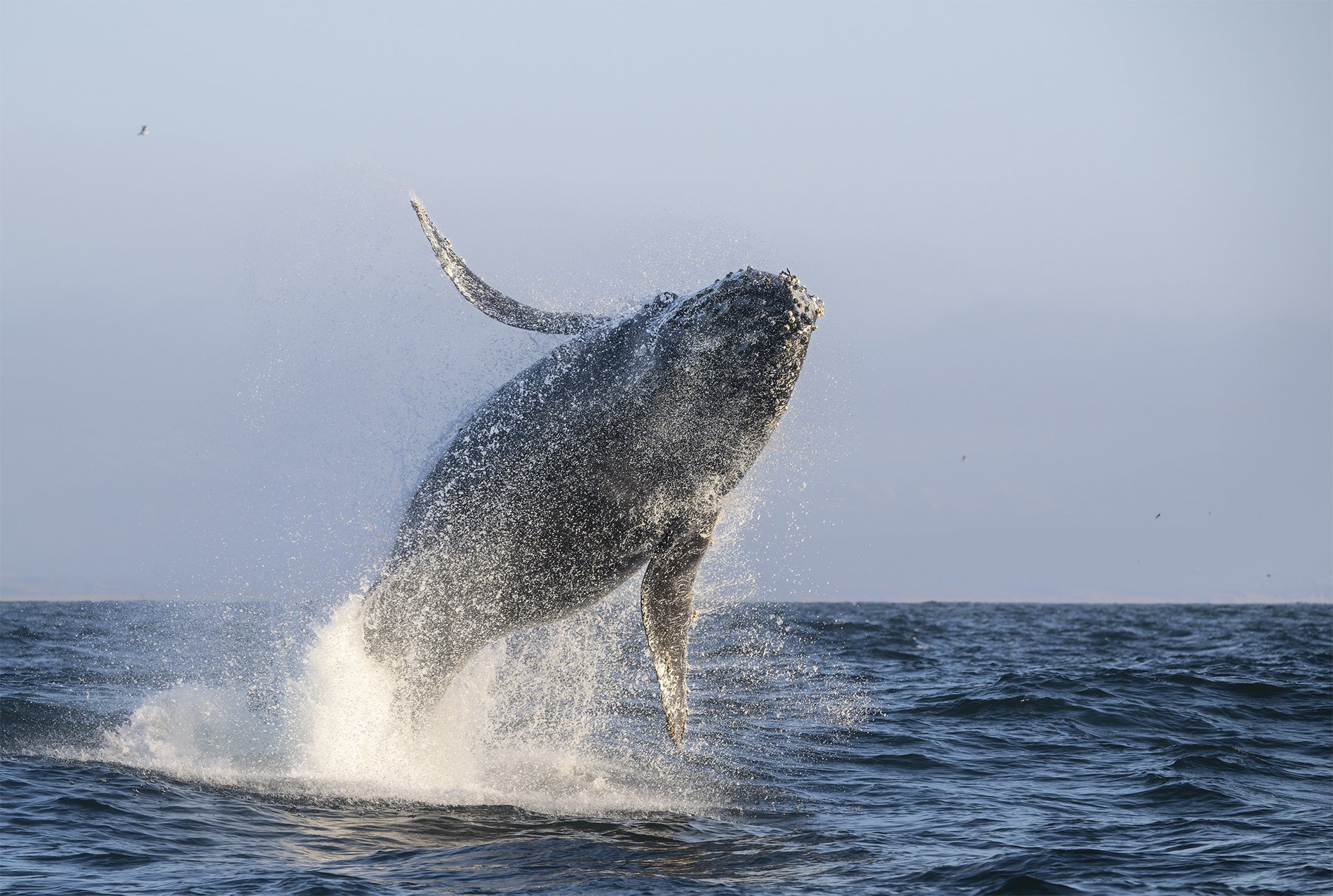
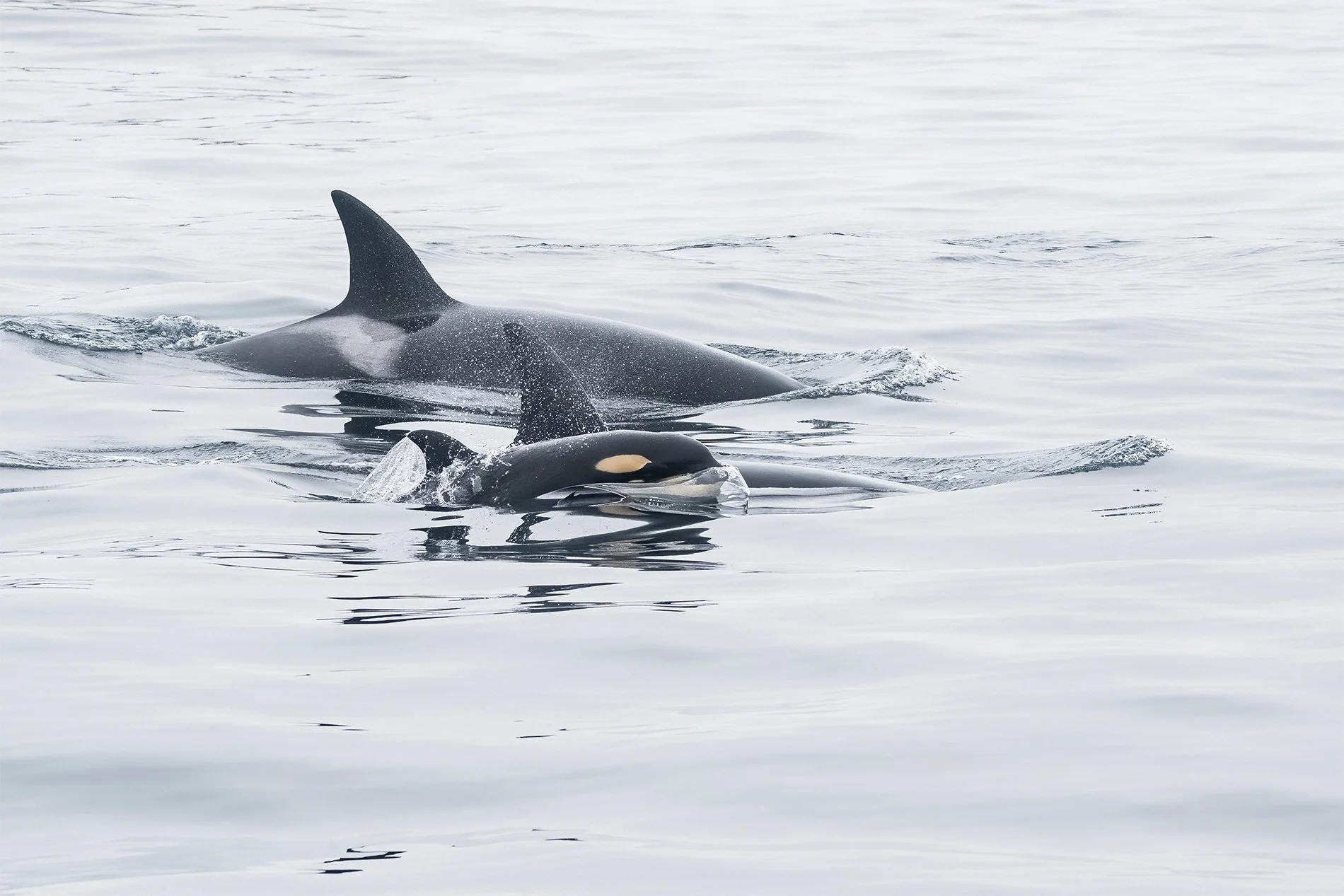
The Monterey Bay is located along California’s central coast between the cities of Lucia and San Francisco. Appearing millions of years ago with the formation of the Monterey Submarine Canyon, this vast underwater chasm rivals the depth of the Grand Canyon. Over 12,000 feet below sea level, the Monterey canyon funnels nutrient-rich upwellings to the surface and creates one of the most productive marine ecosystems on Earth.
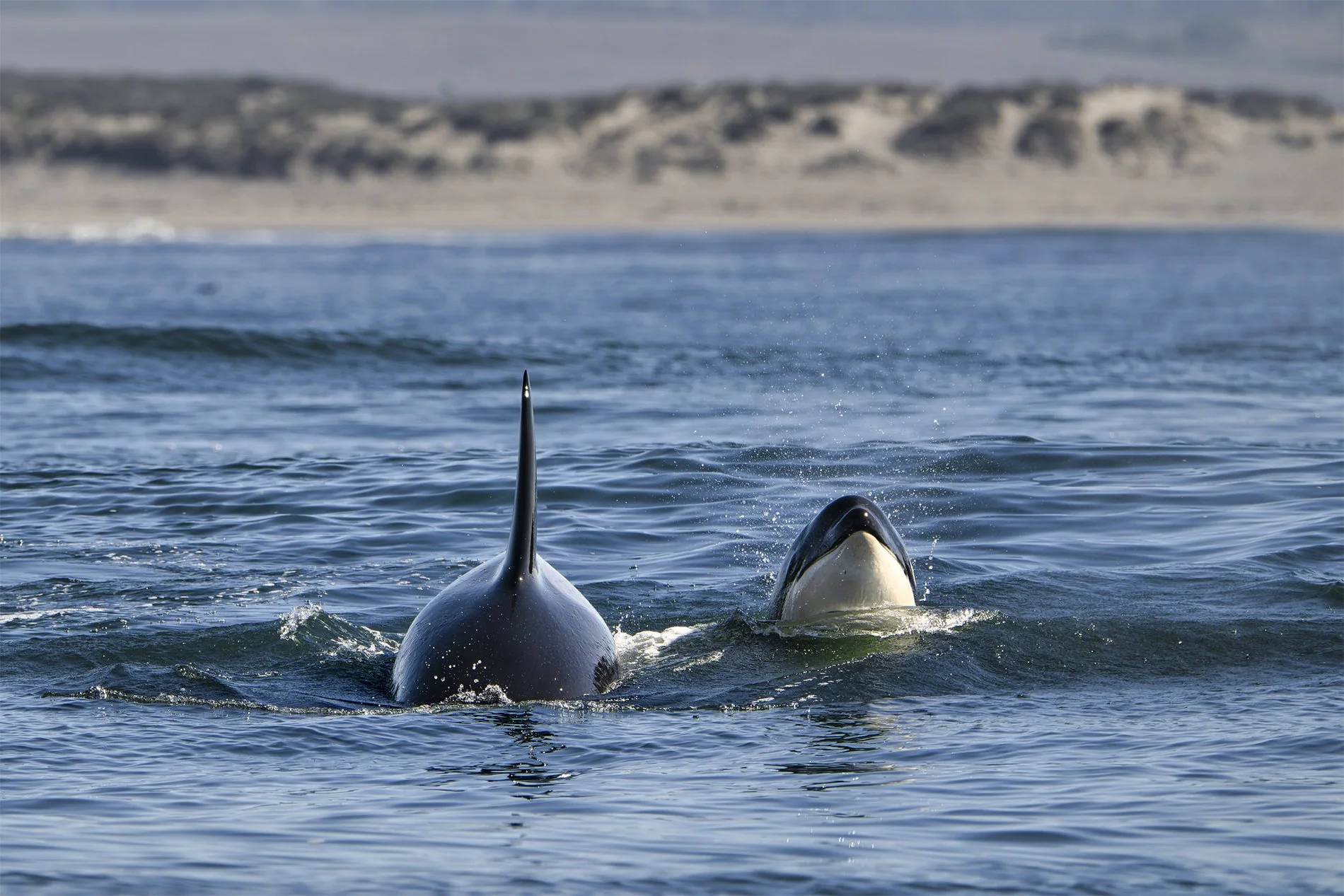
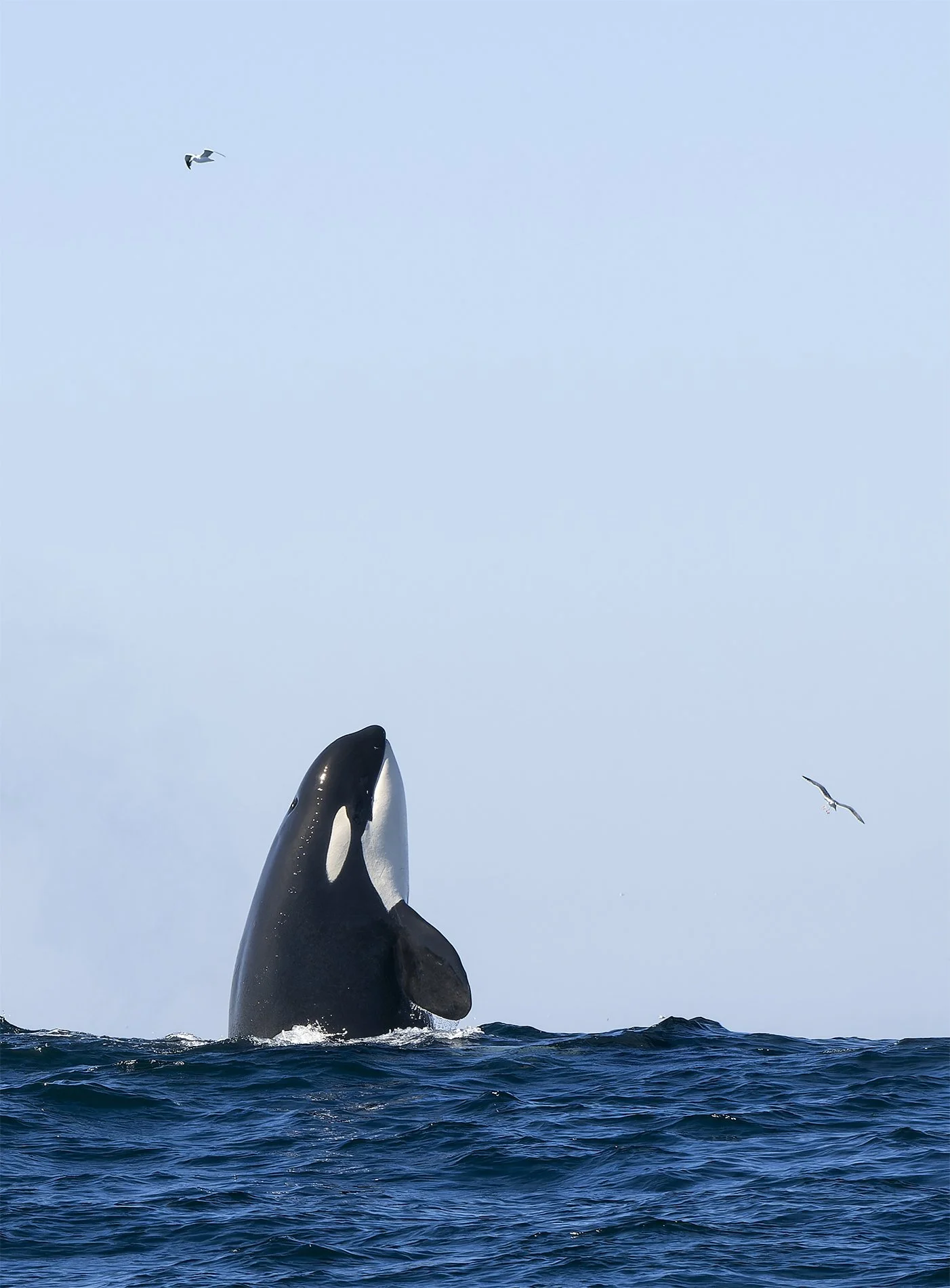
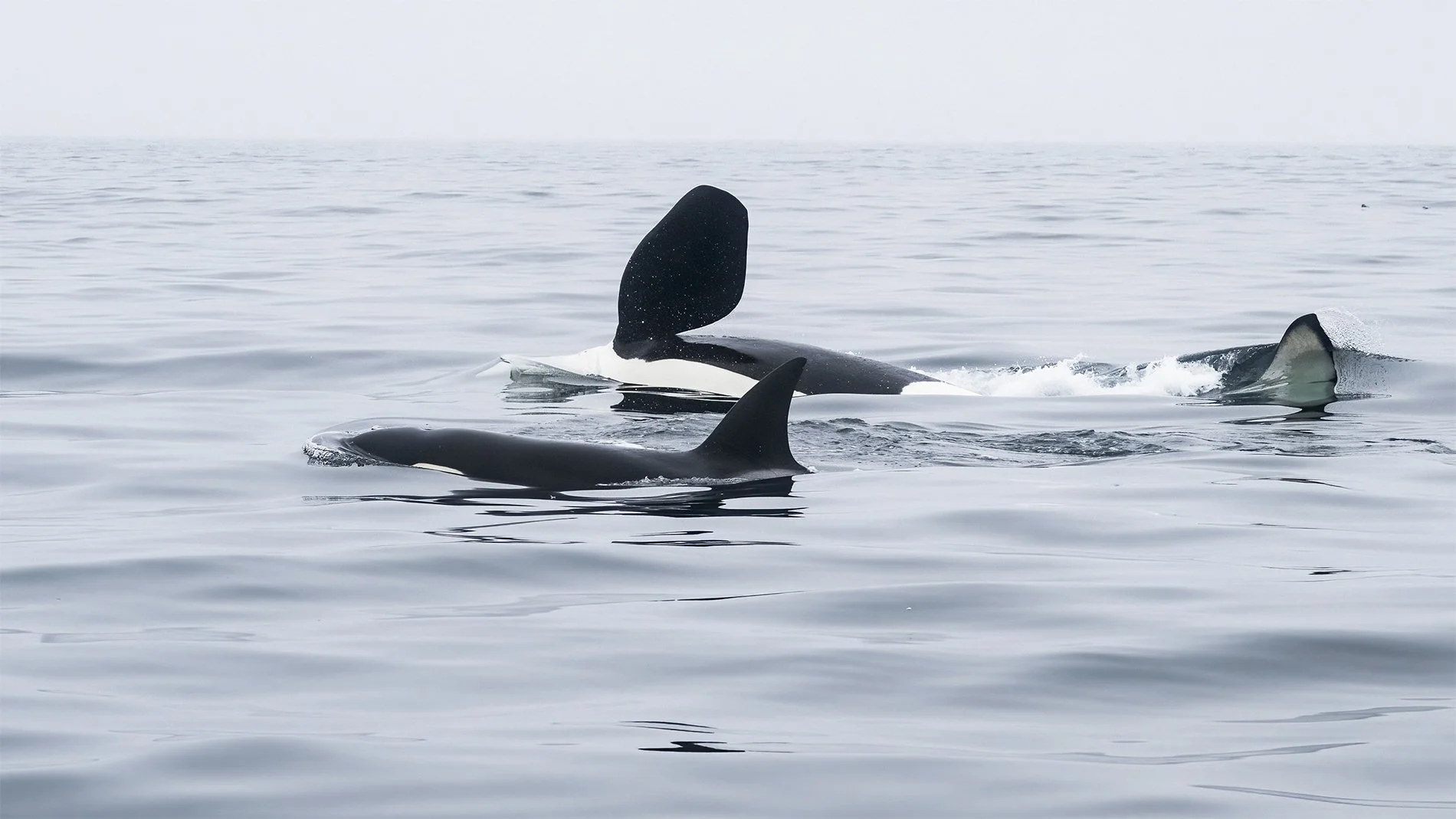
Pair of Orca Cruising the Monterey Bay
In the 19th and 20th centuries, Monterey Bay became known for its fishing and whaling industries. Sardine canneries that once lined the infamous Cannery Row, brought prosperity to the residents of California, but also initiated a crushing ecological collapse. The precipitous environmental decline sparked research, and laid the groundwork for the ongoing conservation work that continues today.
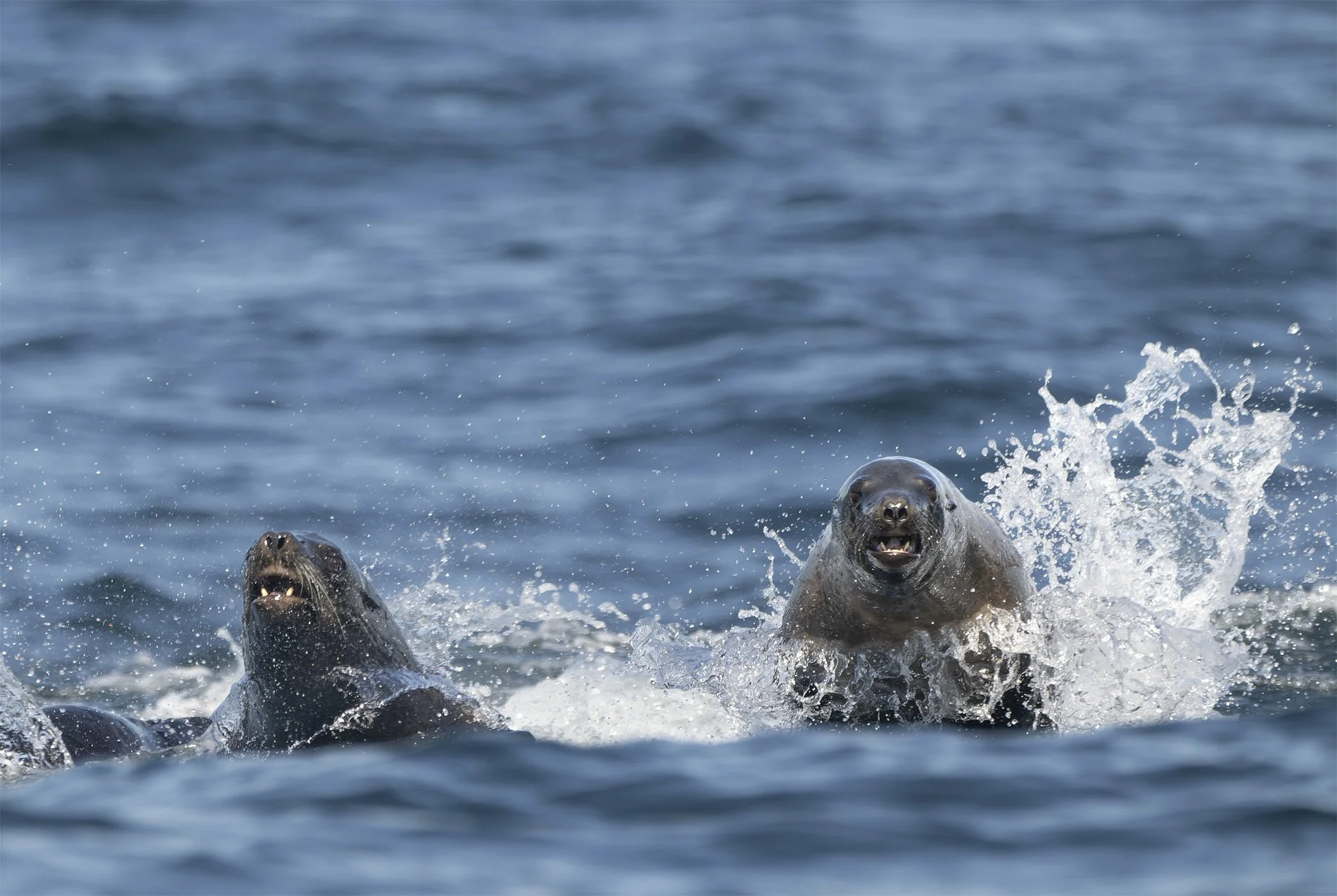
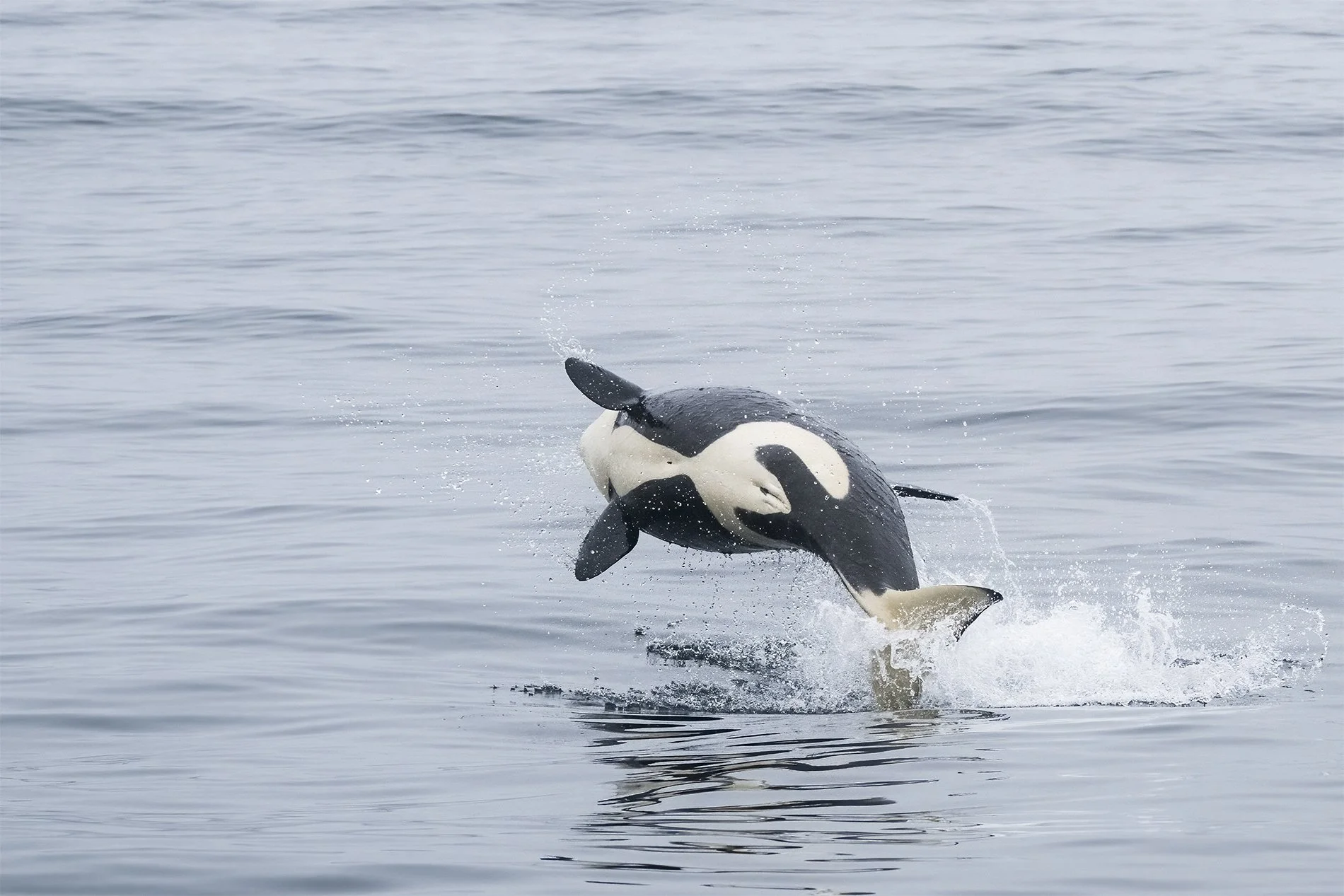
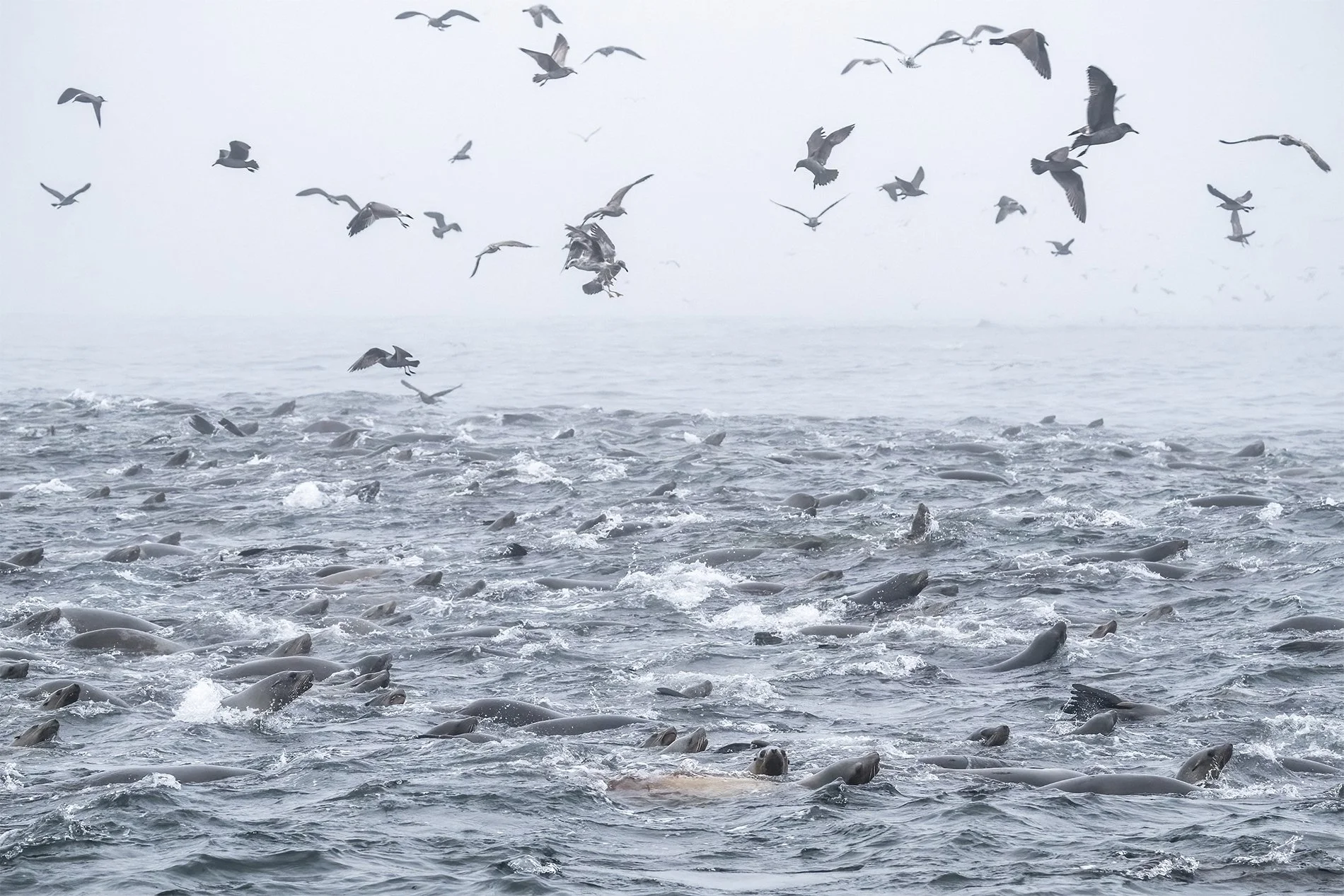
California Sea Lions Fleeing a Pod of Orca
A cradle of ecological richness, the once devastated marine environment is now recovering. Wildlife thrives in the Monterey Bay thanks to protections guaranteed by the Monterey Bay National Marine Sanctuary which was established in 1992. This sanctuary protects more than 6000 square miles of ocean habitat, making it one of the largest protected marine environments in the United States. These days, it is possible for tourists, wildlife enthusiasts, and photographers to see gray, blue, and humpback whales migrating, feeding, and playing off shore. Kelp forest and wetland sloughs are habitat for sea otters, harbor seals, seabirds, and shorebirds that migrate along the Pacific Coast migratory corridor. By spending a few days cruising the surface waters of the Monterey Canyon, it is possible to see many of the aforementioned species as well as sea lions, dolphins, porpoises, and orca. An embarrassment of riches for birders and nature photographers, the “Bay” will provide unprecedented opportunities to make new and unique images of many elusive wildlife species.
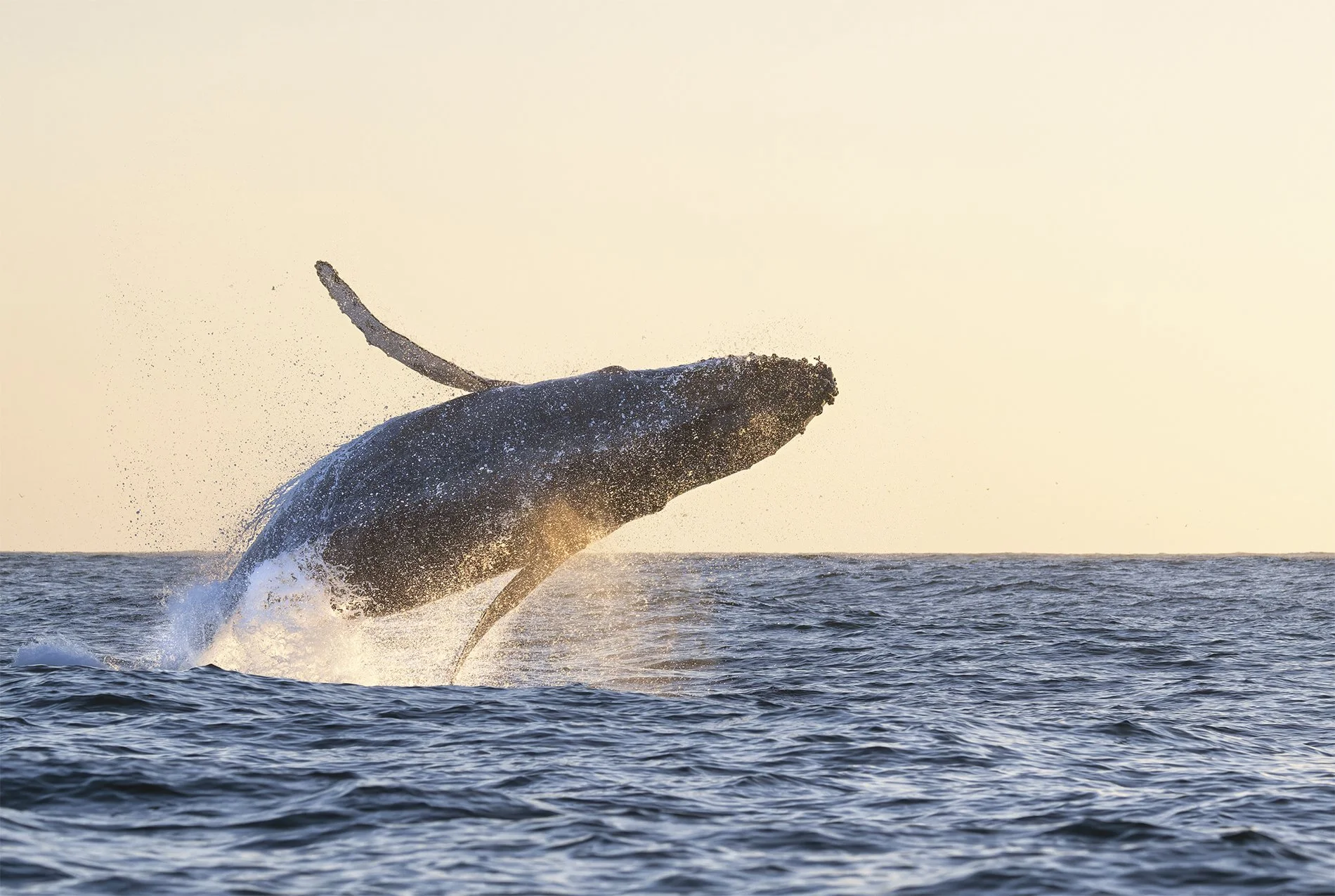
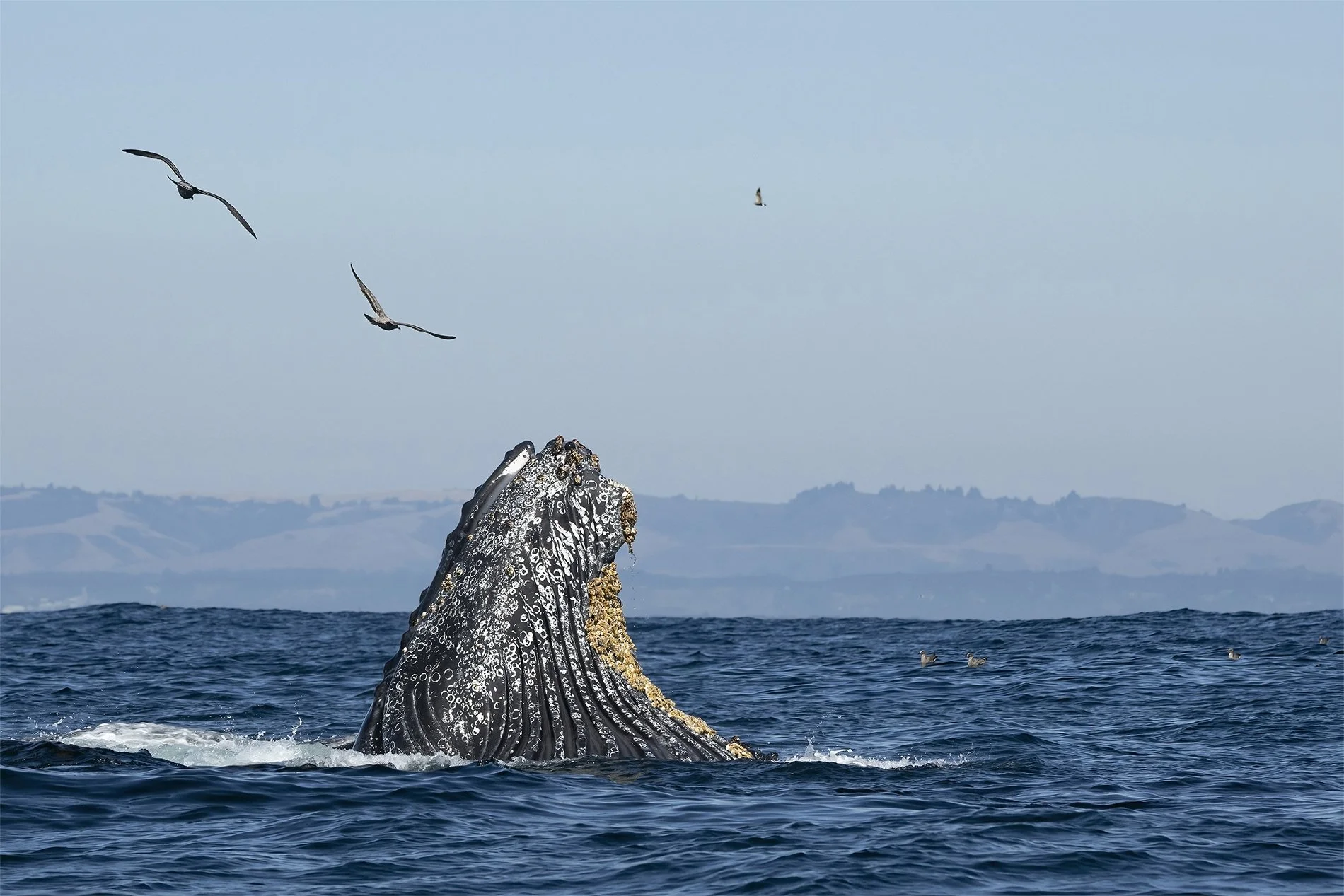
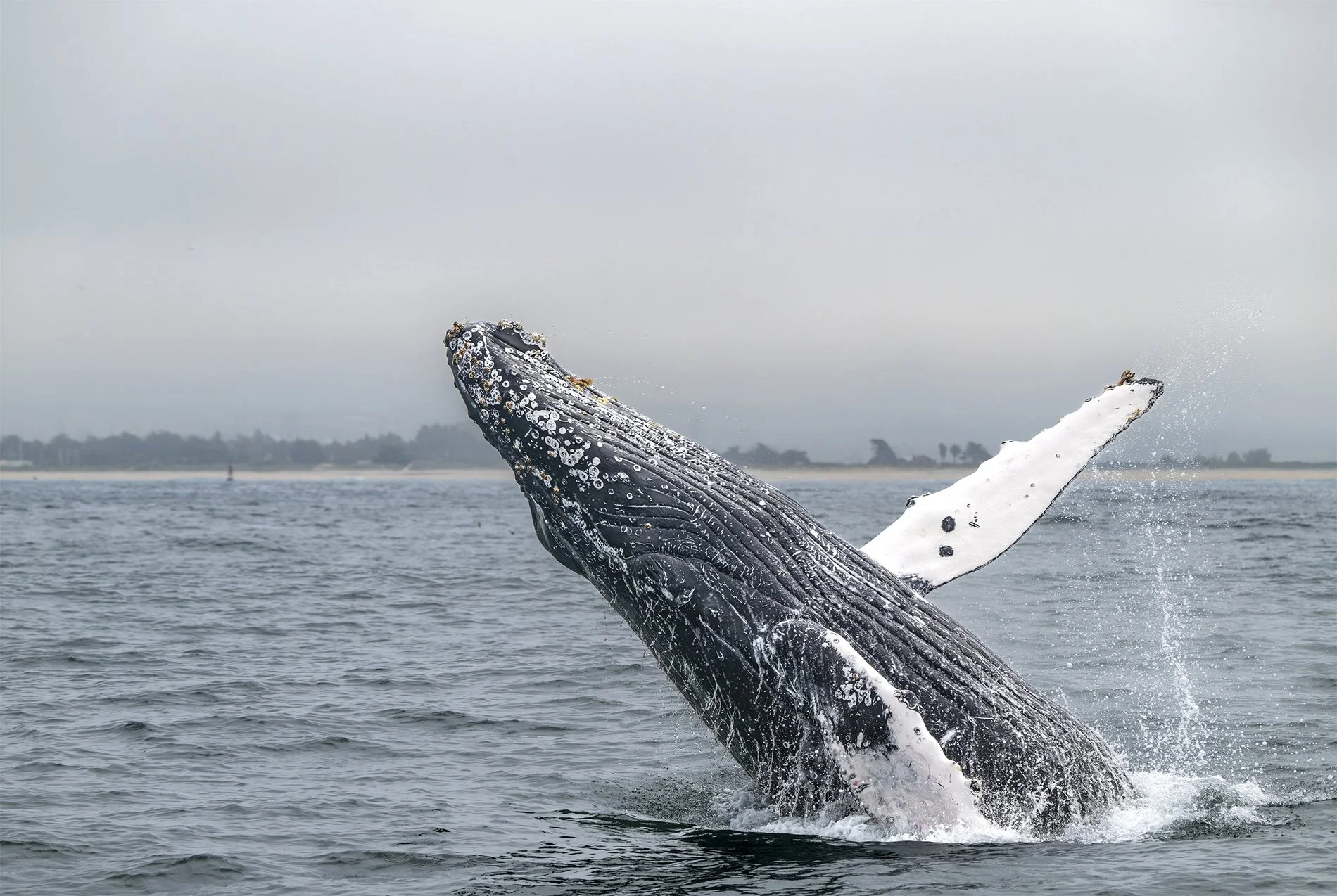
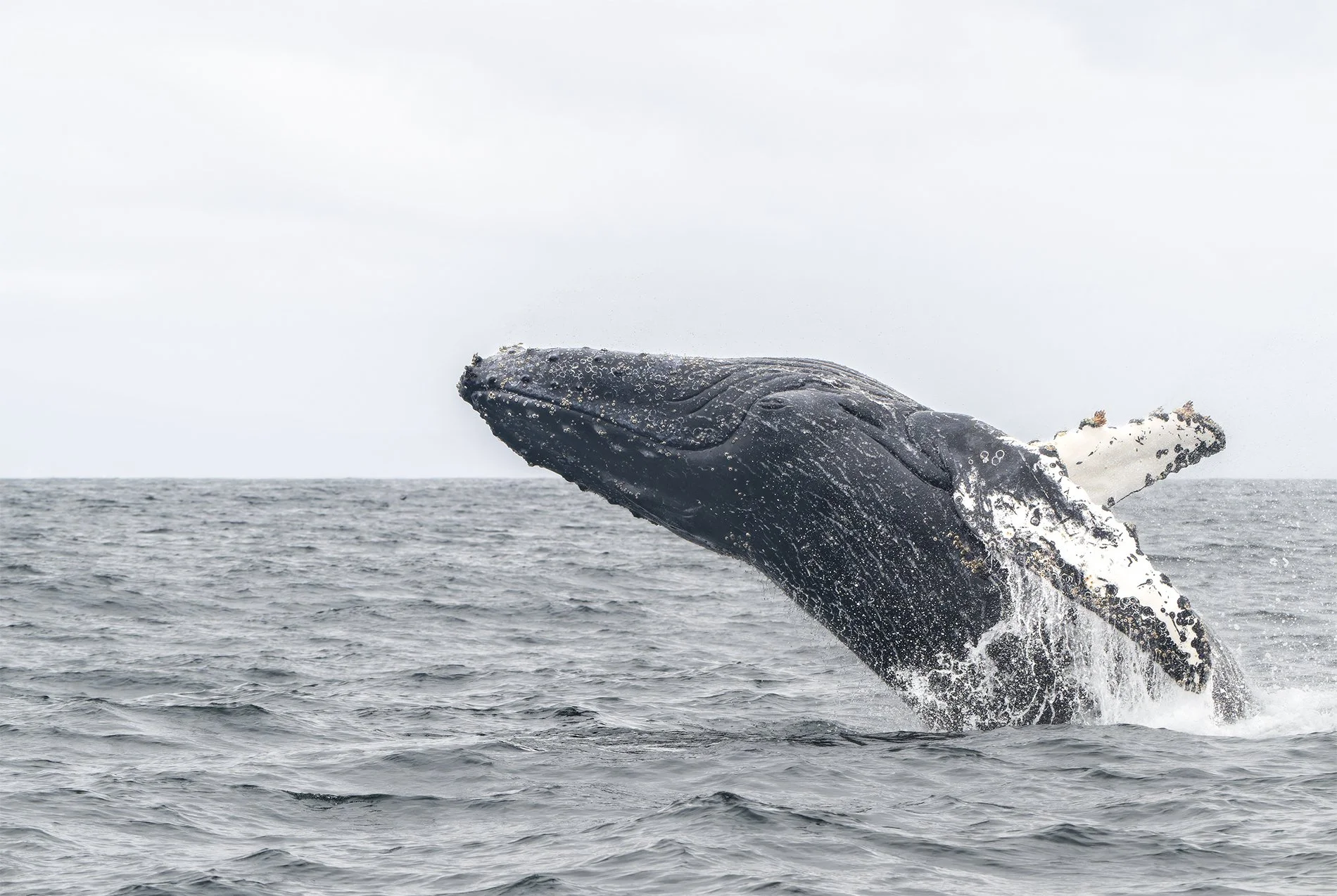
One of the most charismatic residents and migratory species in the bay are humpback whales. Unlike many marine mammals, humpbacks are recovering and even thriving throughout their range. In the Monterey Bay, it is not unusual to see seven to twenty different individuals during an outing. These whale are often observed diving, waving a fin, slapping the water, feeding, and even breaching. Unlike some of the other whale species that migrate along the coast, humpbacks are in the Bay to eat. As such, their behavior becomes a magnet for other species who find the whales lunging through so-called bait balls of fish. When upwelling from the underwater canyon carries a school of fish, the whales will open their mouths and feed vigorously. This behavior attracts enormous rafts of sea lions, pods of dolphins, flocks of gulls, pelicans, and even orca.
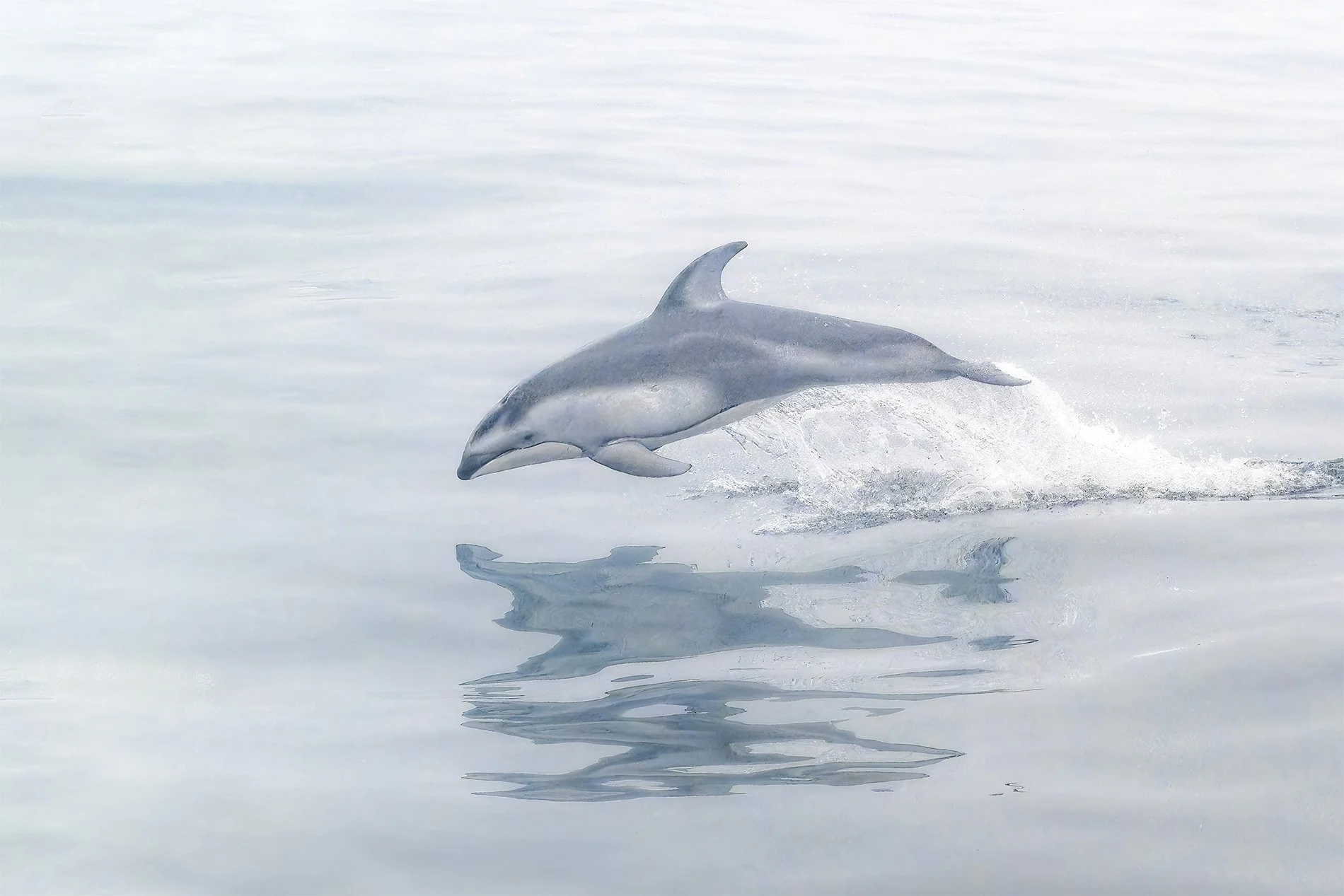
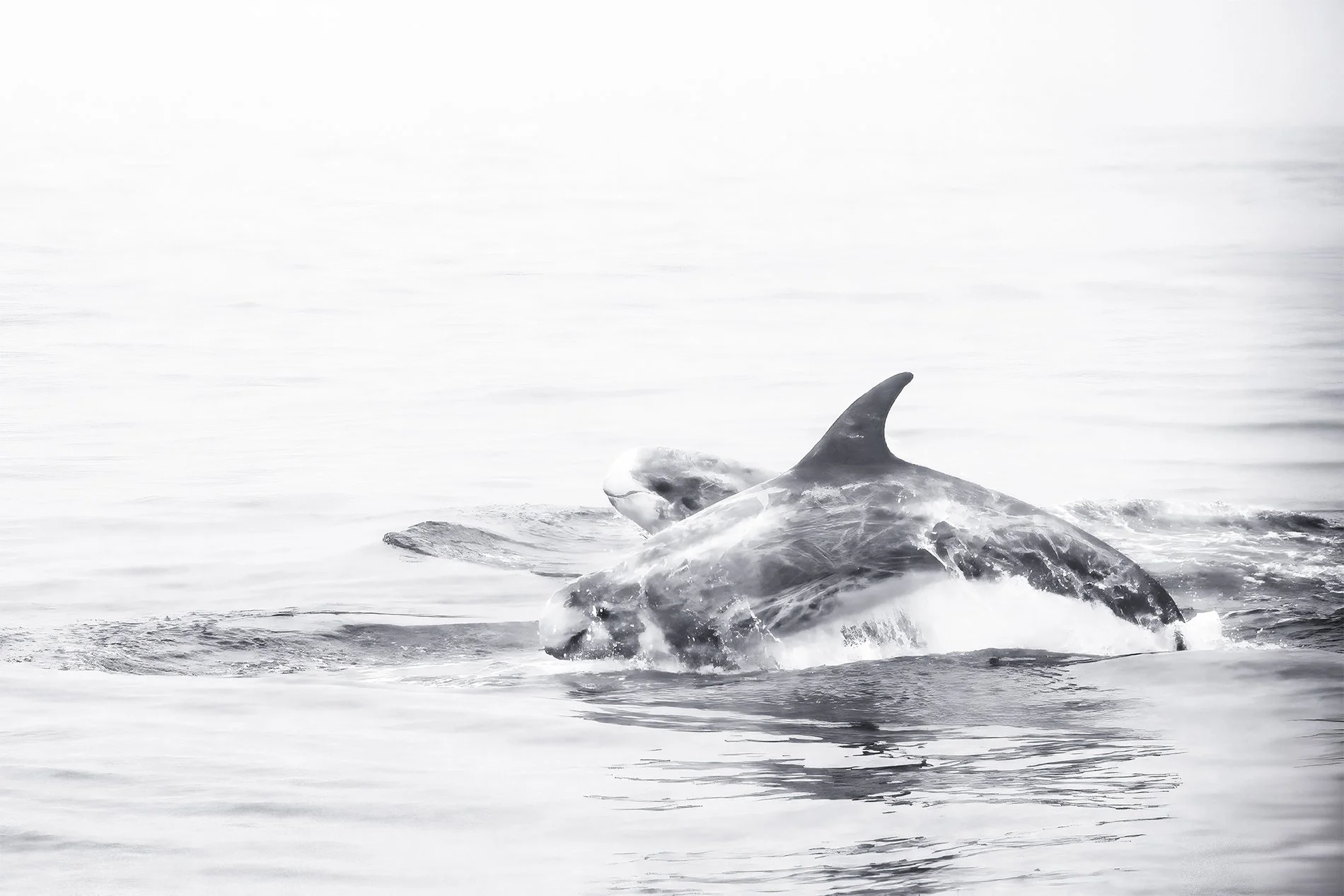
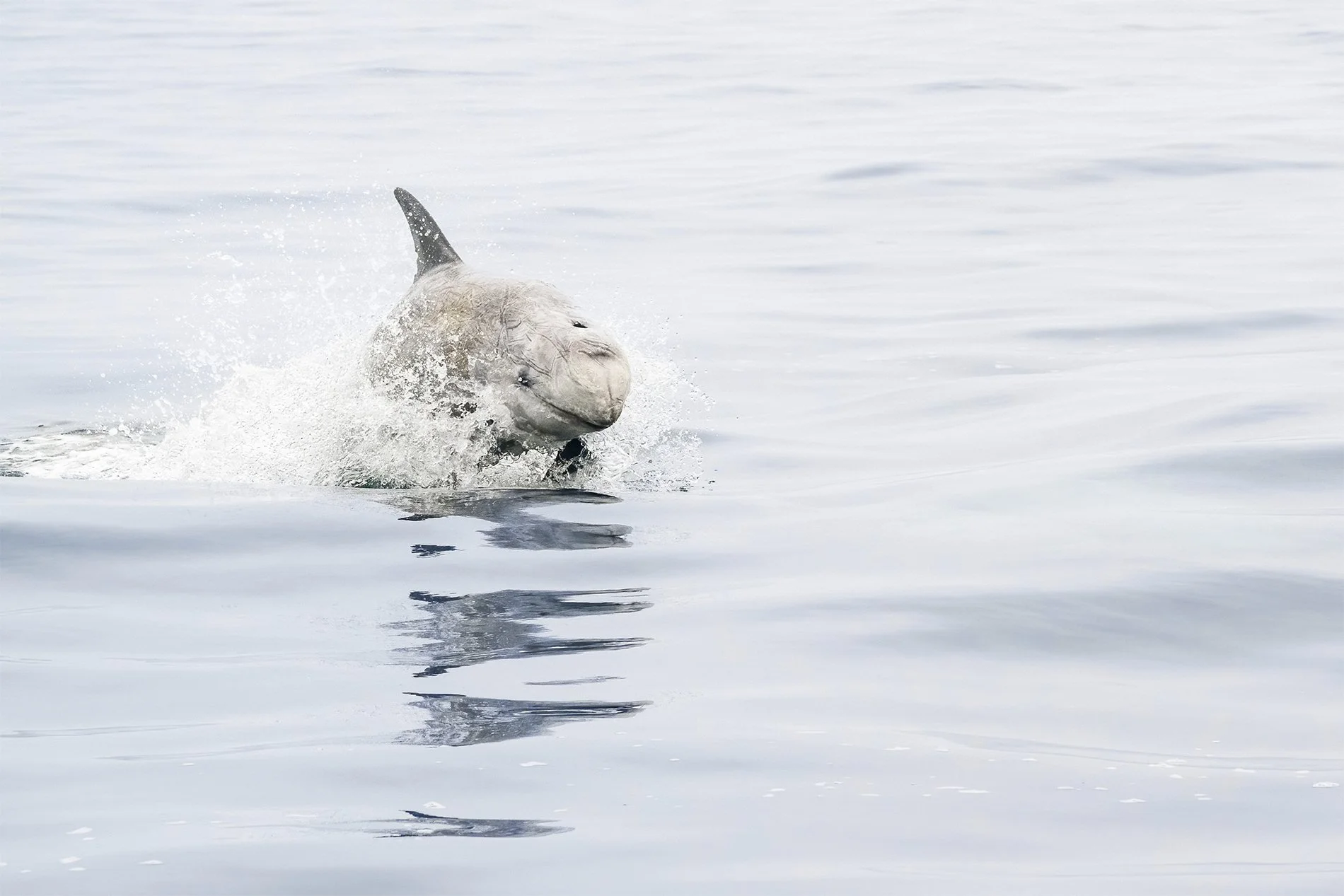
Pacific White-sided Dolphin in Thick Marine Fog
Photographing whales can be one of the most challenging types of wildlife photography. There are many factors that work against the shooter, and even experienced photographers may struggle to make a clean image of a breaching whale. The primary challenges to photographing whales and dolphins from above are inherently linked to their habitat and their behavior. Whales disappear from view when they are underwater, and can remain out of sight for as long as 20 minutes. Trying to track the motion of an animal that disappears into blackness is very difficult without the aid of an experienced naturalist and captain. Furthermore, ocean swells or rough seas make it challenging to maintain focus and a level horizon on a surfaced animal.
To increase your success during an ocean whale trip consider the following tips:
Bring a zoom lens with a 100-400mm or 200-600mm range. I typically use my 180-600mm lens or my 100-400mm lens with a 1.4x converter attached when my primary targets are whales and dolphins. Surprisingly, most of my whale photos are taken at the shorter end of the zoom range. By keeping the lens between 200mm and 300mm, it is possible to find and capture the entire whale body as it suddenly lunges from below. When a whale approaches your ship or peers at people, a zoom allows you to quickly increase or tighten your field of view.
Set your camera to its fastest frame rate and auto iso. While shooting bursts will result in many blown images that may find you deleting hundreds or thousands of pictures after an outing, the high frame rate increases your chance of capturing a whale in motion and providing you with multiple images from which to select a best. My suggestion to rely on auto-iso is one that releases you from making additional calculations during the shooting experience. Because the movements of whales and dolphins can transition from dark water to blue sky, the need to tweak exposure in order to maintain a fast shutter speed can be a cognitive burden. In these situations, I typically use aperture priority and auto ISO set to a maximum of 6400, and program the camera to maintain a shutter speed of 1/2000 second or faster. By using exposure compensation, I can then lock in an exposure and guarantee a well exposed and sharp image during a breeching event.
Bring at least two microfiber terry cloths on your expedition, and remember to check that your front element is clean and clear. During one foggy outing where I witnessed an explosion of porpoising Risso’s dolphins, I ignored my own advice and did not check to ensure the clarity of my front element. Traveling through thick fog caused water to condense on the exposed optical element. As a result, all of my images looked as if vaseline coated my optics. By using a pair of microfiber terry cloths, you can keep the external parts of the camera and lens dry. The second cloth should be devoted to your front element and stored in a pocket when not being used.
My final piece of advice is more about state of mind rather than photography. Have fun and expect a less than perfect photographic outing. Being a nature photographer is as much about “being there” as it is about “getting the shot.” Obsessing about the product of a shoot will detract from the experience and the stories you have to tell. In the end, you will have a better shoot and memories from your time at sea if you are willing to relinquish the need for a “perfect” image.
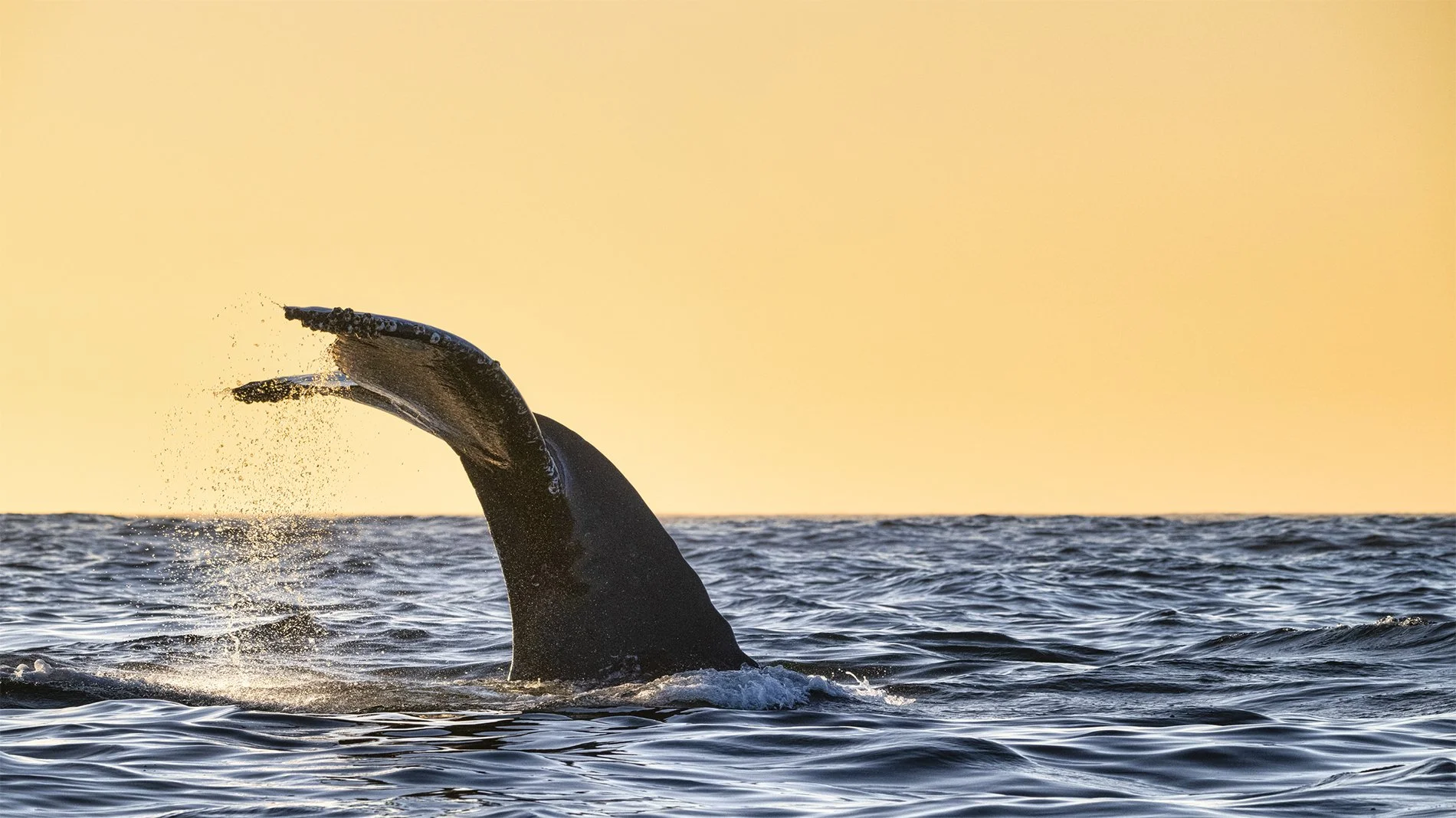
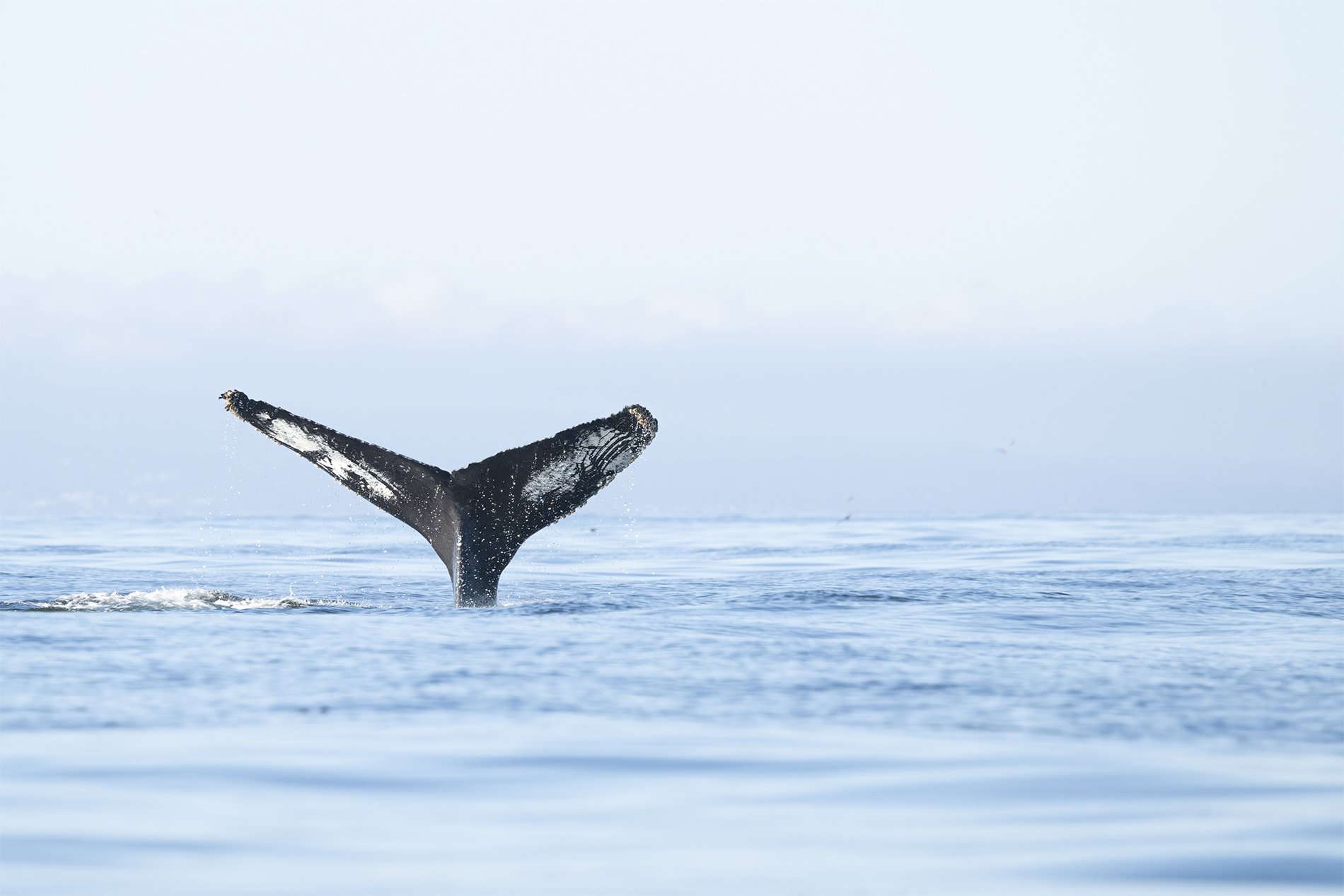
Humpback Sounding at Sunset
©2000-2026 BruceLeventhal.com All rights reserved. No image on this site may be used without permission.